Vending Machine Business: The Complete 2026 Guide to Starting and Scaling One
Vending Machine Business: The Complete 2026 Guide to Starting and Scaling One
Blog Article
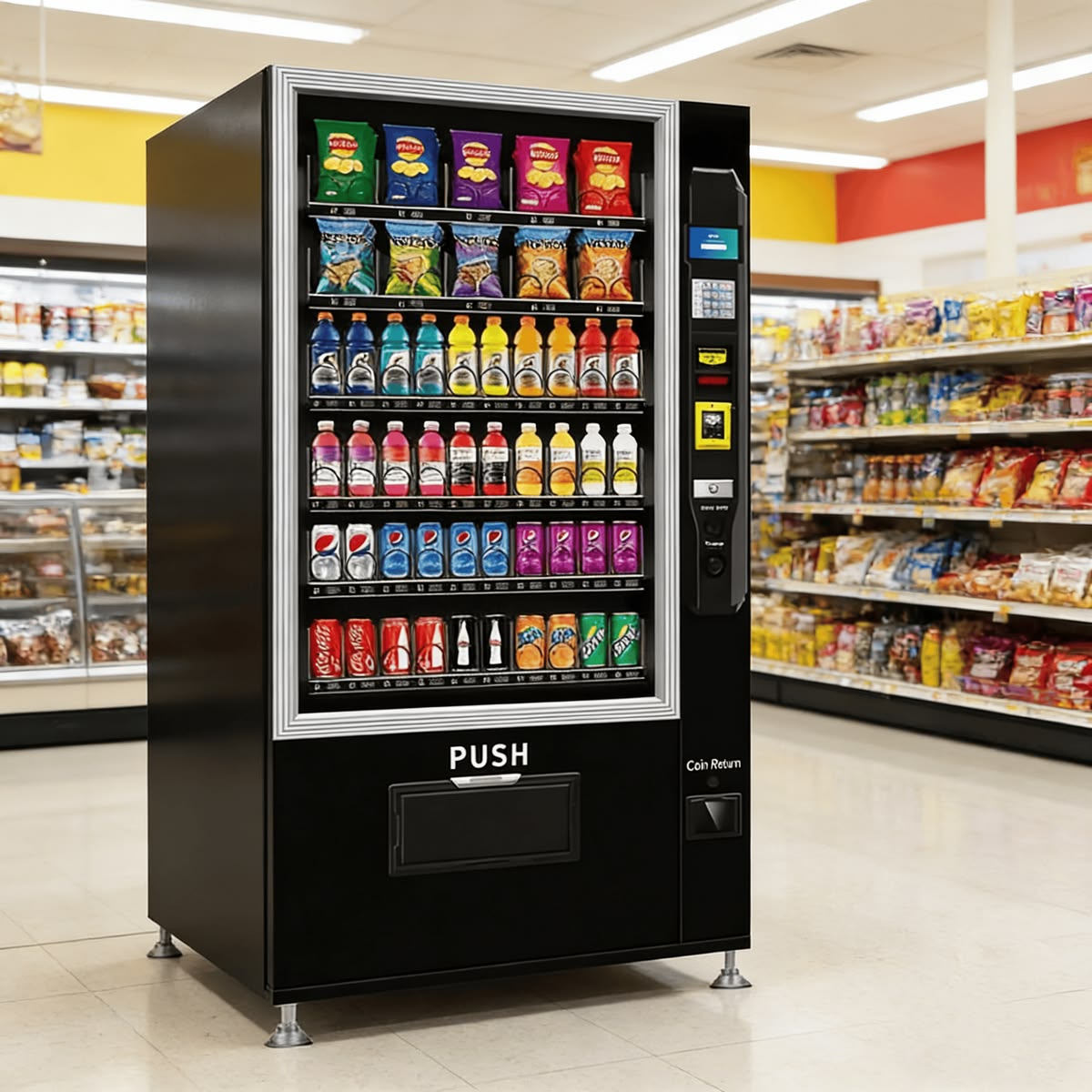
Starting a vending machine business is one of the most accessible paths into entrepreneurship — low overhead, no staff required, and the flexibility to run it alongside a full-time job. But "accessible" doesn't mean "guaranteed." The operators who build a real, profitable vending machine business follow a different playbook than the ones who buy a machine, drop it somewhere, and hope.
This guide covers what it actually costs, how the profit math works, what mistakes to avoid, and how to scale once your first machine is running.
What a Vending Machine Business Actually Involves
At its core, a vending machine business means owning equipment, placing it in locations with reliable foot traffic, and keeping it stocked and functioning. You're not selling a service — you're managing a small fleet of unattended retail points.
That simplicity is the appeal. There's no lease to sign for a storefront, no employees to schedule, and no fixed hours. But it does require:
Upfront capital for equipment and inventory
A system for restocking and servicing machines
Relationships with the property owners or managers who host your machines
Basic bookkeeping to track profitability per location
What It Costs to Start
Realistic startup costs for a vending machine business break down like this:
One used, tested machine: $1,000–$3,500
One new machine: $2,500–$6,500, higher for smart/AI-enabled units
Initial inventory: $300–$3,000 depending on machine size
Business license and permits: typically a few hundred dollars total
Delivery and installation: varies, often bundled with the machine purchase
Most first-time operators can realistically launch with $2,000–$5,000 for a single machine. That's a far lower barrier to entry than nearly any other small business, which is exactly why vending attracts people looking for a side income or a low-risk first venture.
The Profit Math Behind a Vending Machine Business
A single, well-placed machine typically generates $300–$800 in monthly gross revenue. After subtracting product cost (35–50% of revenue) and small overhead like electricity or a location commission, most operators net $100–$400 in monthly profit per machine.
That doesn't sound dramatic on its own — but the model scales. An operator running 8–10 machines across a tight geographic route can realistically generate $1,000–$4,000 a month in profit, often while still working another job. The businesses that grow fastest reinvest each machine's profit into the next one, rather than financing multiple machines upfront.
Choosing the Right Equipment for Your Business
Your first machine should match the locations you can realistically secure, not the machine that looks most impressive:
Machine Type Typical Cost Best For
Snack $2,500–$5,500 Offices, schools, break rooms
Beverage $3,000–$6,000 High-traffic, vending machine for sale warm climates
Combo $4,000–$7,500 Gyms, apartments, mixed-use spaces
Smart/AI-enabled $4,000–$16,000+ Locations wanting cashless payment and remote inventory tracking
A snack or combo machine is usually the smartest first purchase — lower cost, broad appeal, and simple enough to manage while you learn how your first location actually performs.
Finding and Securing Locations
Location is the single biggest factor in whether a vending machine business succeeds. A great machine in a low-traffic spot will underperform no matter how well it's stocked.
Look for:
Consistent daily traffic — offices, gyms, apartment complexes, auto shops, schools
Limited nearby alternatives — no cafeteria or convenience store within easy walking distance
A decision-maker you can talk to directly — property managers and small business owners, not corporate chains with lengthy approval processes
Most placement agreements are simple — some property owners charge a small commission (5–10% of sales), others host your machine for free since it's a convenience for their staff or tenants.
Licensing and Legal Basics
Requirements vary by city and state, but most vending machine businesses need:
A business license or LLC ($50–$150 in most states)
A seller's permit, since you're selling taxable goods
An EIN from the IRS (free)
Health department registration if you're vending perishable or fresh food
A local vending permit, required by some municipalities per machine
Check your specific city's requirements before placing your first machine — this is an easy step to skip and an expensive one to fix later.
Running Day-to-Day Operations
Once your first machine is placed, the business becomes a matter of routine:
Restock consistently. An empty slot is a lost sale every single day it stays empty.
Track sales by location. Cut underperforming spots early rather than propping them up.
Add cashless payment support. Machines without card/tap readers lose sales to people who simply don't carry cash.
Adjust inventory by location. A gym wants protein bars and electrolyte drinks; an office wants coffee and quick snacks — don't run identical stock everywhere.
Common Mistakes That Sink a New Vending Machine Business
Buying the machine before securing the location — you should know where a machine is going before you buy it, not the reverse
Financing multiple machines upfront — interest on unproven equipment erodes already thin margins
Spreading locations too far apart — a wide, inefficient route eats profit in gas and time
Ignoring cashless payment options — a meaningful percentage of potential buyers simply won't use cash
Neglecting restock schedules — inconsistent service is the fastest way to lose a good location
Scaling Your Vending Machine Business
Most successful operators follow the same pattern: get the first machine to profitability, use that cash flow — not debt — to fund the second, and build routes that cluster machines geographically so restocking stays efficient. Trying to place ten machines across a wide radius before proving the model in one location is one of the most common ways new operators run themselves into the ground on time and fuel.
Frequently Asked Questions
Is a vending machine business profitable?
Yes, when machines are placed in high-traffic locations with the right product mix. Most operators net $100–$400 per machine monthly, with income scaling as the route grows.
How much money do I need to start a vending machine business?
Most first-time operators can realistically start with $2,000–$5,000 for one properly stocked machine.
Can I run a vending machine business part-time?
Yes — this is one of the most common ways people start, managing restocking around a full-time job before scaling further.
The Bottom Line
A vending machine business rewards patience and smart location choices more than a big upfront investment. Start with one properly evaluated machine, prove the model works, and let profit — not financing — fund your growth from there.
Ready to get your first machine? Shop Vending Machines →
Report this page